Fabric Printing Machine: How the Right Choice Can Transform Your Textile Business
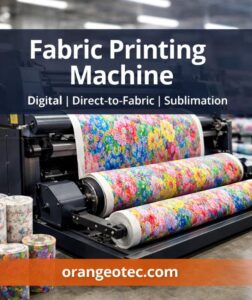
Still printing fabric the old way?
A fabric printing machine is no longer just a piece of equipment — it is the competitive edge that separates growing textile businesses from those stuck in slow, costly, and inflexible production cycles. India’s textile industry is the second largest in the world, and the businesses leading it today have one thing in common: they have made the shift to modern digital fabric printing technology.
This guide helps you understand what fabric printing machines are, how they work, what types are available, and how to choose the right one — whether you’re in Surat, Tirupur, Jaipur, or anywhere else in India’s booming textile belt.
What Is a Fabric Printing Machine?
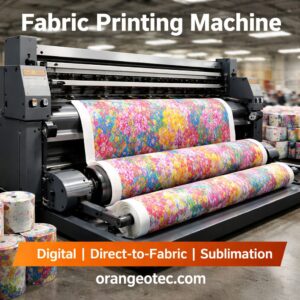
A fabric printing machine is a device used to apply colour, patterns, or designs onto textile substrates. Traditional fabric printing relied on screens, rollers, and manual colour registration — processes that were time-consuming, required large minimum orders, and produced significant water and chemical waste.
Modern fabric printing machines — especially digital ones — replace these limitations with precision inkjet technology that prints directly onto fabric from a digital file. No screens. No plates. No minimum order restrictions. Just fast, accurate, vibrant output at any volume.
Types of Fabric Printing Machines
1. Direct-to-Fabric (DTF) Digital Printers
Direct-to-fabric printers print ink directly onto the textile surface. They work with a wide range of fabrics including cotton, silk, nylon, viscose, denim, linen, and blended fibres — making them the most versatile category of fabric printing machine available today.
- No transfer step — ink goes straight onto the fabric
- Supports reactive, acid, and pigment inks for different fibre types
- Ideal for fashion, home décor, sportswear, and technical textiles
- Single operator can manage the entire process
- No plate-making or screen preparation required
2. Sublimation Fabric Printing Machines
Sublimation printers use disperse inks to print onto transfer paper, which is then heat-pressed onto polyester fabric. The result is seamless, vibrant, wash-resistant prints — perfect for sportswear, swimwear, flags, and promotional textiles.
3. Hybrid Fabric Printing Machines
Hybrid machines combine multiple technologies in a single platform. Orange O Tec’s Homer ‘Rocket’ is one such example — a hybrid single-pass digital textile printer capable of up to 60,000 linear metres per day, bringing digital quality and flexibility to industrial-scale production.
Orange O Tec’s fabric printing machines — Colorix, Homer, and MS series — are engineered for India’s textile industry: high-speed, eco-friendly, and built for the volumes and fabric types that Indian manufacturers work with every day.
What to Look for in a Fabric Printing Machine
Print Speed and Volume
Match machine capacity to your current and projected production volume. Entry-level machines may output 50–100 linear metres per hour. High-speed industrial machines like Orange O Tec’s Homer series deliver significantly higher throughput, designed for large commercial operations.
Ink System and Fabric Compatibility
Map your fabric range to the ink chemistry required before investing:
- Cotton, linen, hemp → Reactive ink
- Silk, wool, nylon → Acid ink
- Polyester → Disperse/sublimation ink
- Multi-fibre and mixed → Pigment ink (most versatile)
Orange O Tec’s Green Edge Series offers eco-friendly pigment inks compatible with a wide range of textile materials — reducing water usage and eliminating the steaming and washing stages required by reactive ink systems.
Print Width
Standard fabric printing machines offer print widths from 1.6m to 3.2m. Match your choice to the roll widths most common in your production to minimise fabric waste.
Resolution and Print Quality
For fashion and high-end textiles, 600–1200 DPI is standard. Orange O Tec’s Colorix series delivers consistently high resolution with minimal colour deviation across long production runs.
After-Sales Support
After-sales service, spare parts availability, and operator training are critical to your total cost of ownership. Orange O Tec provides dedicated support across India from its Surat headquarters, with trained service engineers and rapid response to minimise downtime.
Why Indian Textile Businesses Are Switching to Digital
- Eliminate minimum order quantities — print 1 metre or 10,000 metres with equal efficiency
- Faster turnaround — design to printed fabric in hours, not days
- Lower water consumption — a fraction of screen printing’s water use
- No screen or plate costs — significant savings on short and medium runs
- Mass customisation — run hundreds of designs in a single production shift
Sustainability compliance — increasingly required by international buyers
Orange O Tec's Fabric Printing Machine Range
Orange O Tec delivers a complete range of digital fabric printing machines designed for India’s textile industry:
- Colorix — High-precision direct-to-fabric printer for fashion, sarees, home décor, and dress materials
- Homer / Homer Rocket — High-speed and single-pass hybrid for large-volume commercial production
- MS Series — Reliable Italian-technology digital printer, trusted for its print head longevity and ink versatility
- Sublimation Range — Optimised for polyester fabrics including sportswear, swimwear, and soft signage
- Green Edge Pigment Inks — Eco-friendly, compatible with most fabric types, no steaming or washing required
Frequently Asked Questions
Q1. What is the best fabric printing machine for small businesses in India?
For small businesses, a direct-to-fabric digital printer with pigment ink compatibility offers the best combination of versatility, low running costs, and minimal pre/post-treatment requirements. Orange O Tec’s Colorix range is designed to be accessible for growing Indian textile businesses without compromising on print quality.
Q2. Can a fabric printing machine print on all types of fabric?
No single machine works with all fabric types using the same ink. Direct-to-fabric machines with pigment inks cover the widest range. For maximum performance on polyester, sublimation delivers superior wash-fastness. Orange O Tec can advise on the right configuration for your fabric mix.
Q3. How does a digital fabric printing machine differ from screen printing?
Screen printing requires physical screens for each colour and has high setup costs, making it only viable for large runs of the same design. Digital fabric printing machines require no screens — designs print directly from a computer file, making them ideal for short runs, fast turnarounds, and frequent design changes.
Q4. What maintenance does a fabric printing machine require?
Regular printhead cleaning, ink system maintenance, and periodic calibration are required. Orange O Tec provides comprehensive maintenance support, operator training, and readily available spare parts to minimise downtime across India.
Q5. How much does a fabric printing machine cost in India?
Prices range from a few lakhs for entry-level digital printers to crores for high-speed industrial systems. Orange O Tec offers a range across price points — contact the team at info@orangeotec.com for a quote tailored to your production requirements.
Conclusion: The Right Fabric Printing Machine Is a Business Decision
Choosing the right fabric printing machine is a strategic investment in your business’s future. The shift from traditional to digital is already well underway across India’s textile hubs. Businesses that make the move now gain the speed, flexibility, and sustainability credentials that today’s domestic and international buyers demand.
Orange O Tec delivers advanced digital textile printing solutions with high-speed printers, eco-friendly inks, and trusted service — driving innovation and sustainability across India’s textile industry.
📞 info@orangeotec.com | +91 7486032990