
Digital Textile Printing in India: Where the Industry Is Headed
SEO-Optimized Version (Maintains Expertise + Improves Ranking Potential)
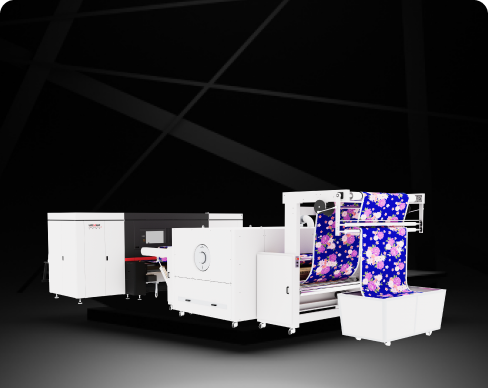
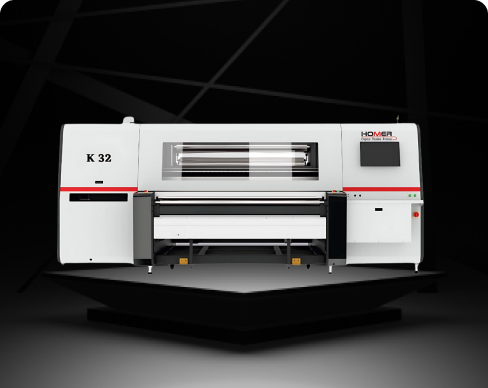
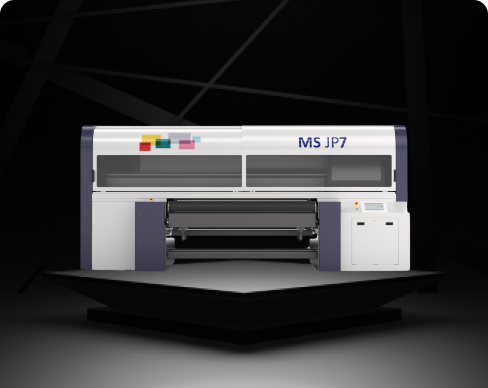
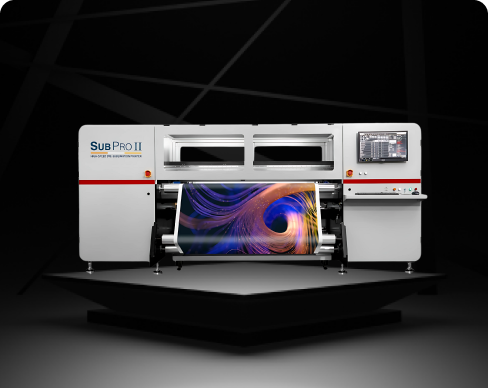
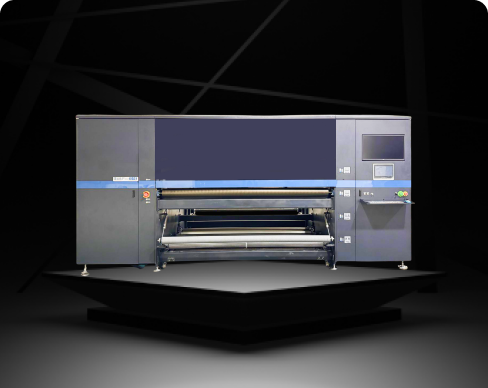
Digital textile printing in India is transforming how manufacturers compete in global markets. As the industry shifts from volume-driven to value-driven manufacturing, digital textile printers are becoming essential tools for textile units in Surat, Tirupur, Ludhiana, and Ichalkaranji—enabling faster sampling, sustainability compliance, and the flexibility to handle shorter fashion cycles without sacrificing the scale advantages that built India’s textile reputation.
The Pressure Points Driving Digital Adoption
For decades, Indian textile manufacturing thrived on large production runs, long lead times, and costfocused operations. That model now faces significant headwinds from multiple directions.
Export market expectations are tightening. Buyers in Europe and the US demand more than competitive pricing—they require
- Compliance traceability: Full visibility into environmental impact and chemical usage
- Faster sample approval: 48-hour turnarounds instead of 2-week cycles
- Shorter lead times: Ability to respond to rapid design changes mid-season
- Sustainability documentation: Water usage reports, effluent certifications, carbon footprint data
These aren’t future requirements. Export buyers are factoring these capabilities into vendor selection decisions today.
Traditional screen printing creates bottlenecks. While screen printing remains effective for highvolume, repeat-design production, it struggles when:
- Order sizes drop below 500 meters per design
- Designs change frequently (multiple colorways, seasonal variations)
- Sample development needs to happen in days, not weeks
- Buyers require precise color matching across different fabric batches
- Water consumption and effluent discharge come under regulatory scrutiny
The gap between what traditional processes can deliver and what the market demands is widening—and digital fabric printing technology is bridging that gap.
Why Sustainability Is No Longer Optional
Rising water costs, stricter state-level effluent norms, and increasing scrutiny from global brands have made sustainability a present-day operational requirement, not a marketing initiative.
Digital textile printing printers reduce environmental impact significantly:
Factor | Traditional Screen Printing | Digital Textile Printing |
Water consumption per meter | 50–100 liters | 5–15 liters (70–85% reduction) |
Sample development time | 7–14 days | 24–48 hours |
Minimum order quantity | 500–1000 meters | 10–50 meters |
Chemical discharge | High (washing, fixing) | Minimal (pigment) to moderate (reactive) |
Setup waste | High (screen preparation) | Near zero (digital file setup) |
For textile units facing water scarcity in regions like Tirupur or effluent penalties in Surat, these operational differences translate directly into cost savings and compliance readiness.
How Digital Textile Printers Enable New Business Models
Digital printing technology isn’t positioned as a wholesale replacement for traditional processes—it’s a strategic capability that unlocks opportunities traditional methods cannot serve profitably:
Faster sampling = higher buyer confidence. Export buyers increasingly use sample quality and turnaround time as vendor selection criteria. A textile unit that can deliver print samples in 48 hours versus 10 days wins more RFQs and builds stronger buyer relationships.
Lower MOQs = reduced inventory risk. The ability to print as few as 10-50 meters economically means manufacturers can:
- Test new designs without committing to full production runs
- Serve boutique brands and D2C companies profitably
- Reduce finished goods inventory and associated carrying costs
- Respond to last-minute design changes without penalty
Sustainability alignment = long-term partnerships. As global brands set 2030 sustainability targets, their vendor scorecards increasingly include water consumption, renewable energy usage, and chemical management. Industrial textile printers that reduce water usage by 70-80% help suppliers meet these requirements and maintain preferred vendor status.
On-demand production = agility advantage. Fast fashion cycles and trend-driven design changes favor manufacturers who can pivot quickly. Digital textile printing enables:
- Same-day design-to-production workflows
- Multiple colorways without additional setup costs
- Elimination of screen inventory and storage requirements
- Ability to accept rush orders that traditional processes can’t accommodate
The Strategic Role in Modern Indian Textile Units
In competitive textile clusters across India, manufacturers are integrating digital fabric printing not as a replacement technology, but as a complementary capability that addresses specific operational gaps:
- Export-focused units use digital printing for sample development and compliance-sensitive production while maintaining screen printing for high-volume repeat orders
- Fashion-forward manufacturers leverage digital printing for seasonal collections, limited editions, and trend-responsive production
- Technical textile producers adopt digital printing for customization, prototyping, and small-batch specialty applications
- Integrated units position digital printing as their sustainability and flexibility engine while traditional processes handle volume production
This hybrid approach—combining the cost efficiency of traditional methods with the speed and sustainability of digital printing—is becoming the competitive standard for Indian textile manufacturers serving both domestic and export markets.
Where the Industry Is Going
The adoption curve for digital textile printing in India is accelerating. What began as a sampling tool for large exporters is now spreading to mid-sized units, integrated manufacturers, and even job-work facilities. The drivers are clear: tighter buyer expectations, regulatory pressure, margin compression on commodity production, and the need to differentiate in a crowded market.
As water becomes scarcer and more expensive, as compliance audits become more rigorous, and as fashion cycles continue to compress, the operational advantages of digital textile printing will shift from “nice to have” to “must have” for textile units that want to maintain relevance in premium segments.
Digital textile printers are no longer experimental technology—they are core infrastructure for futureready textile manufacturing in India. The question for manufacturers is not whether to adopt digital printing, but when and how to integrate it strategically into their existing operations.
Explore our range of digital textile printers → | Calculate your potential ROI → | Download the buyer’s guide →