Printers  /  Colorix  /  FabPro 1i

FabPro 1i

FabPro 1i

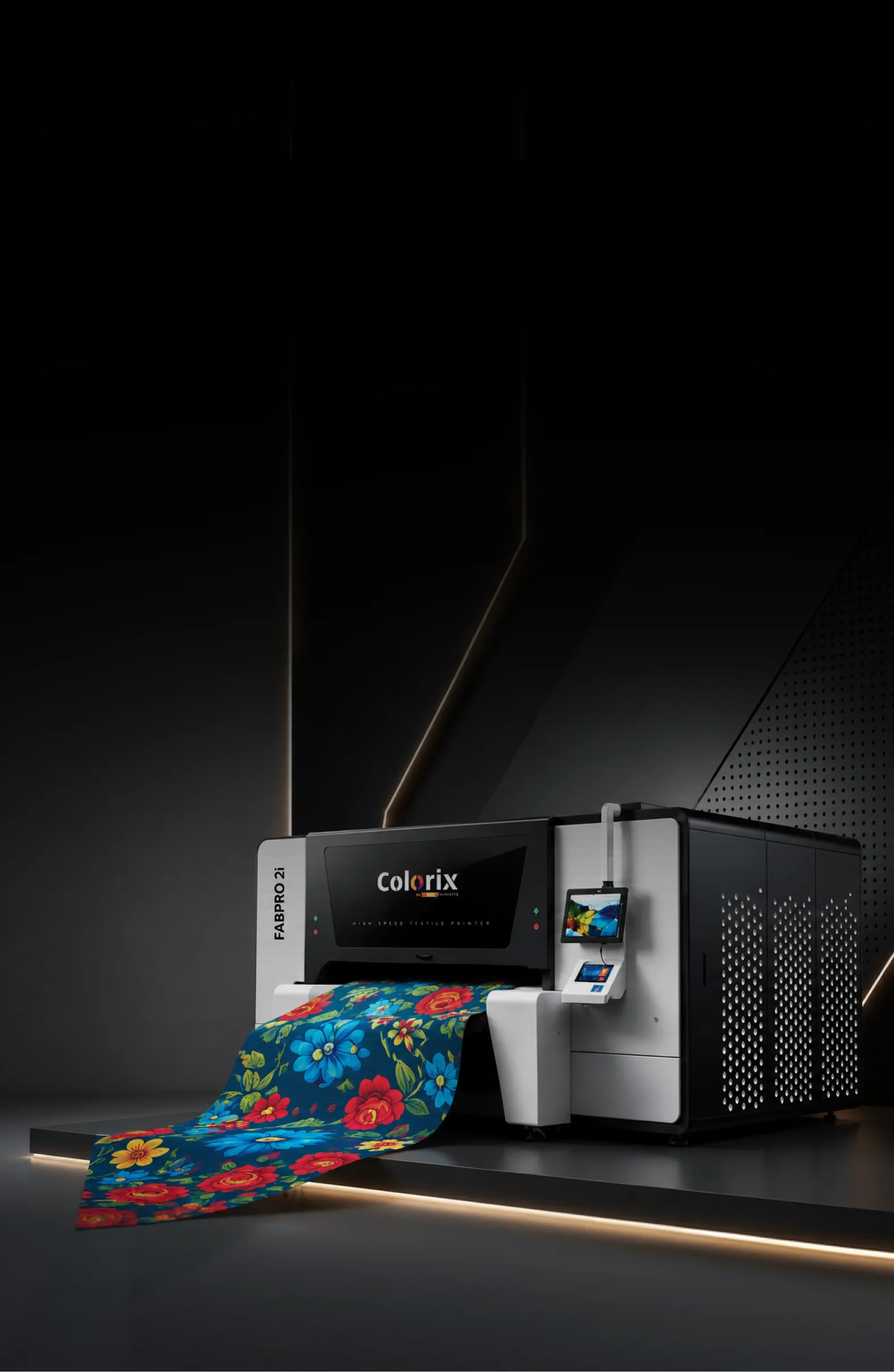
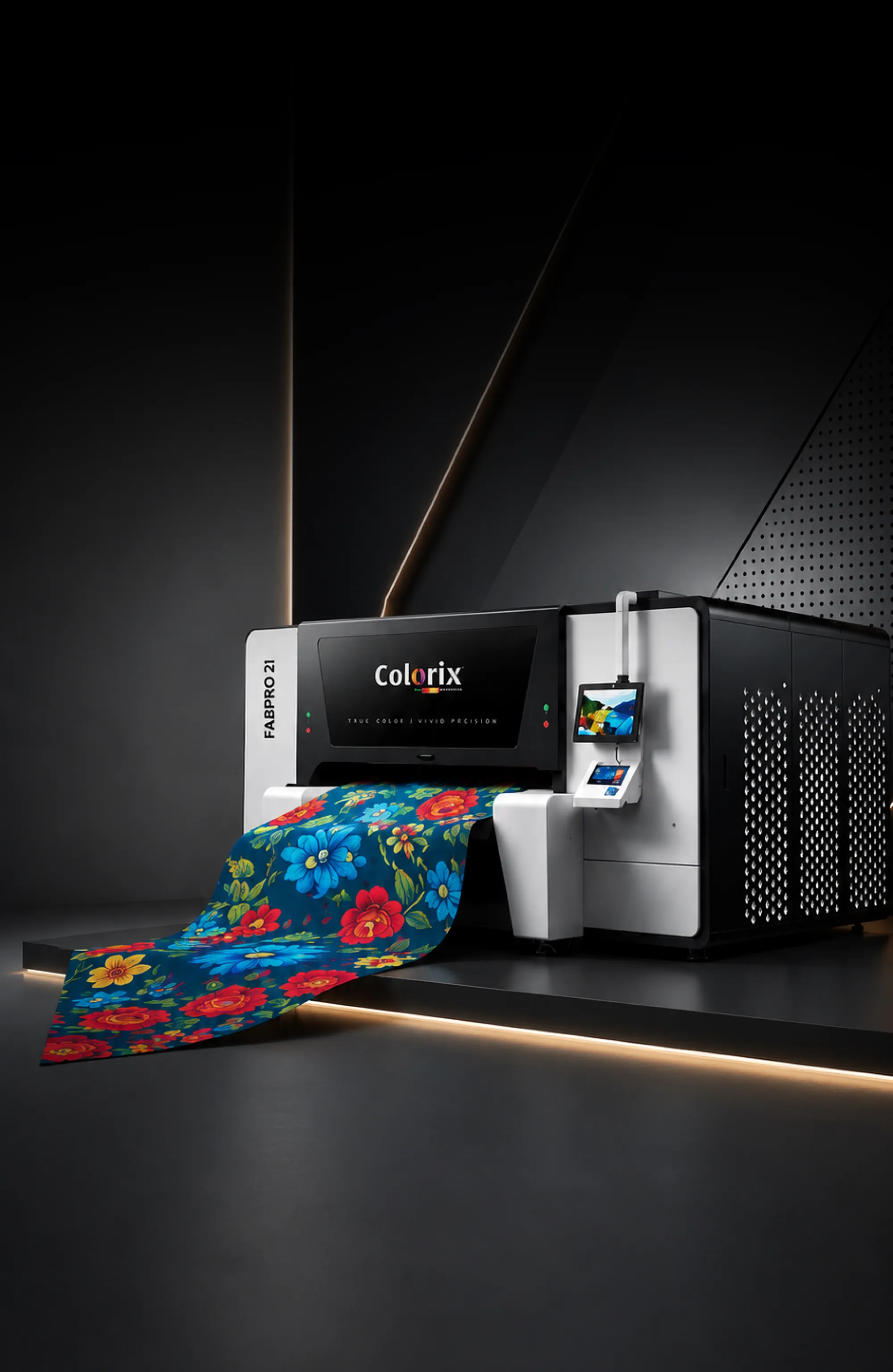
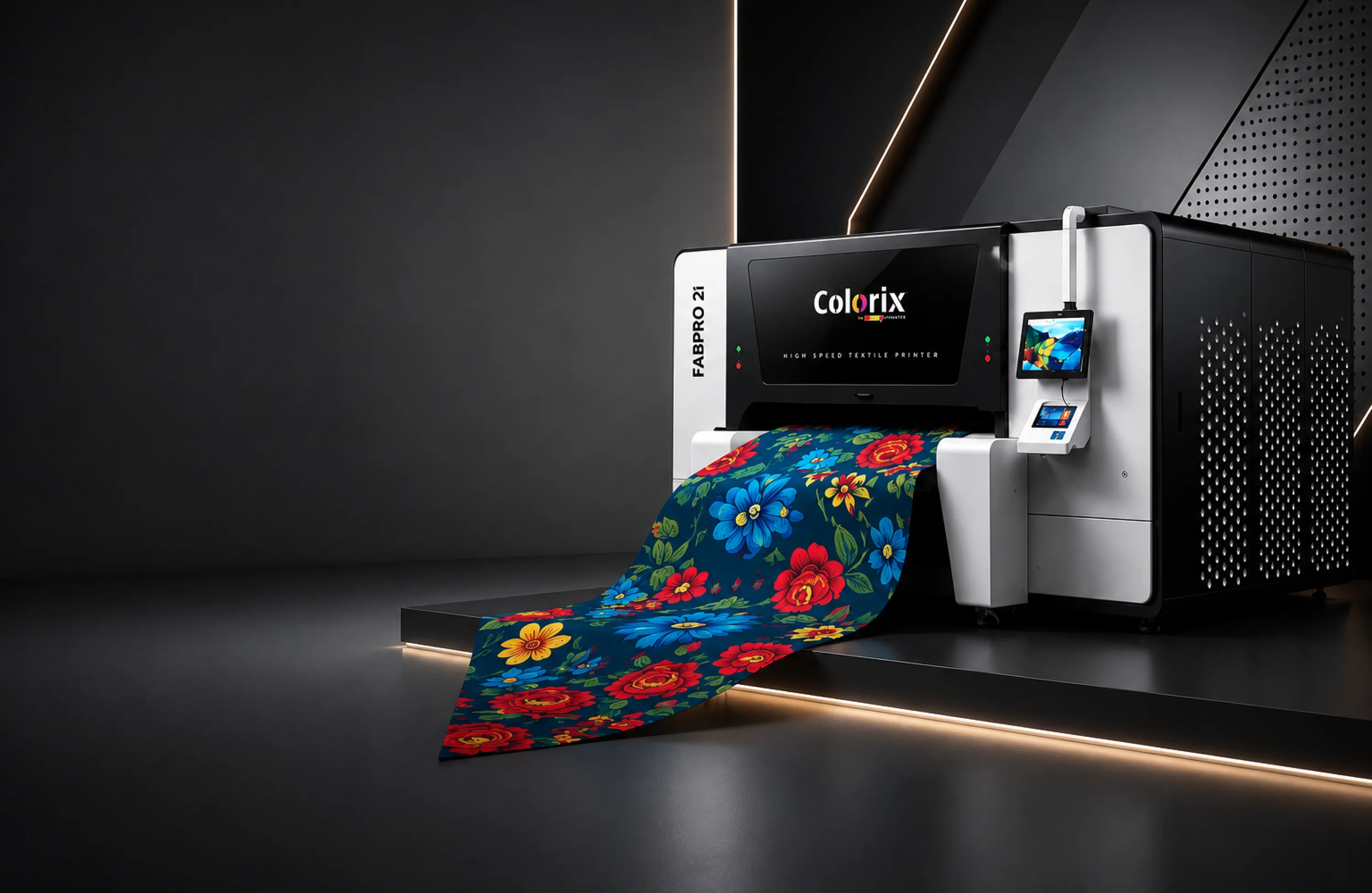
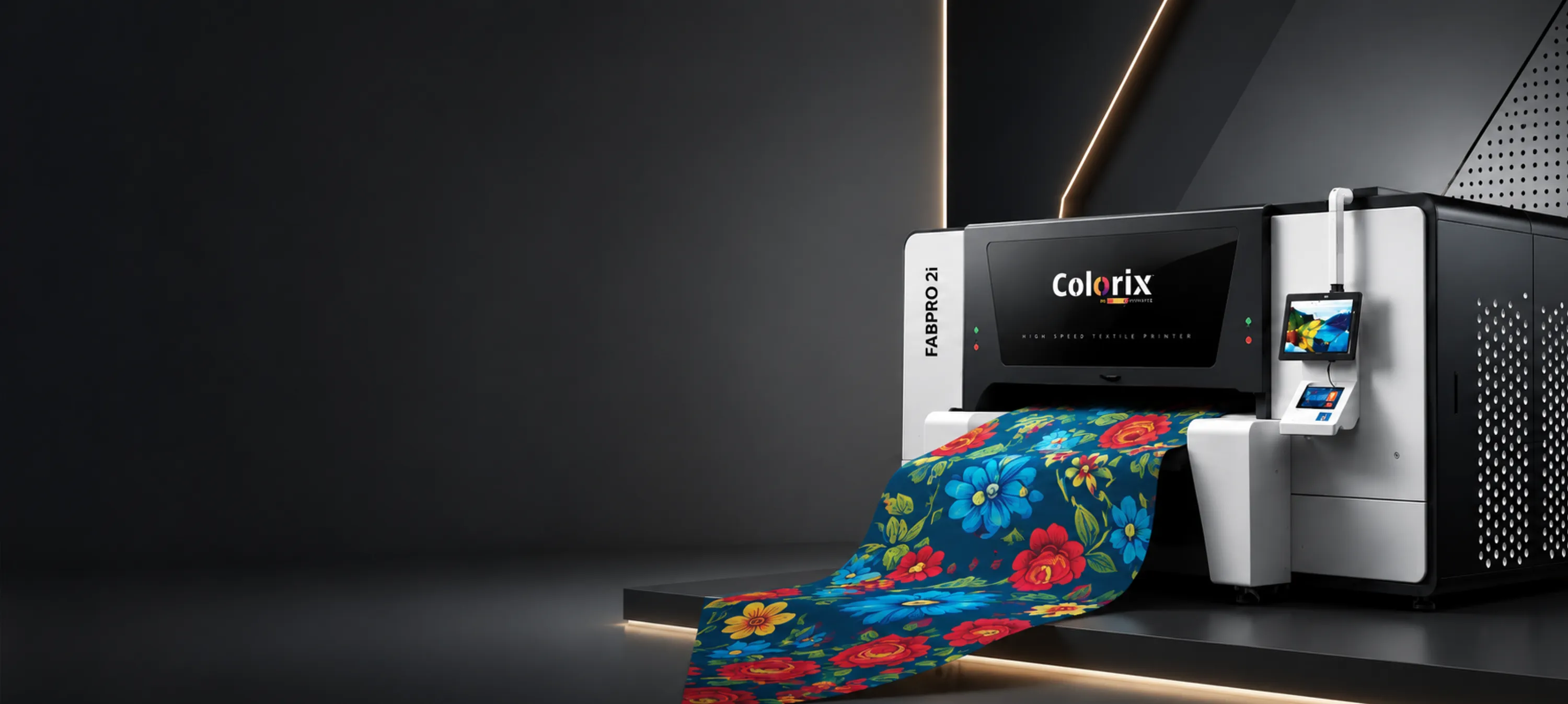
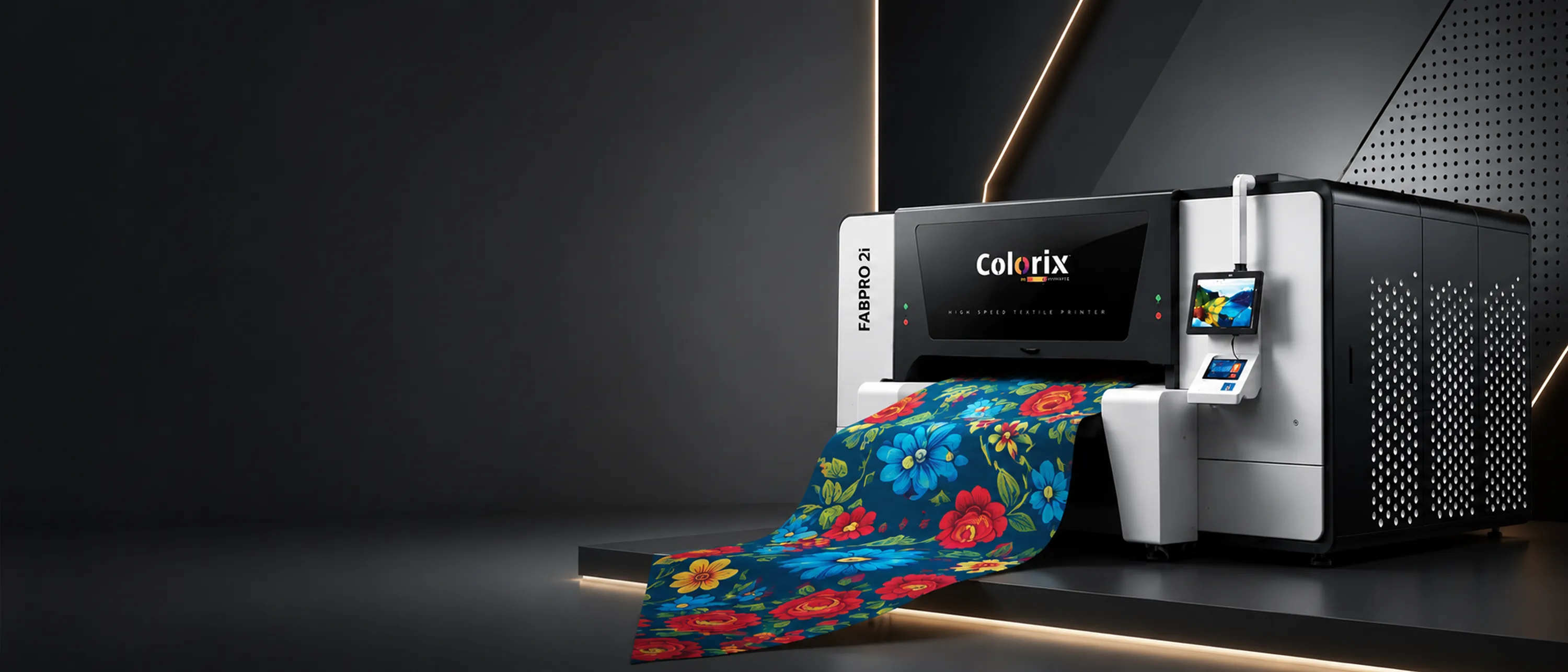
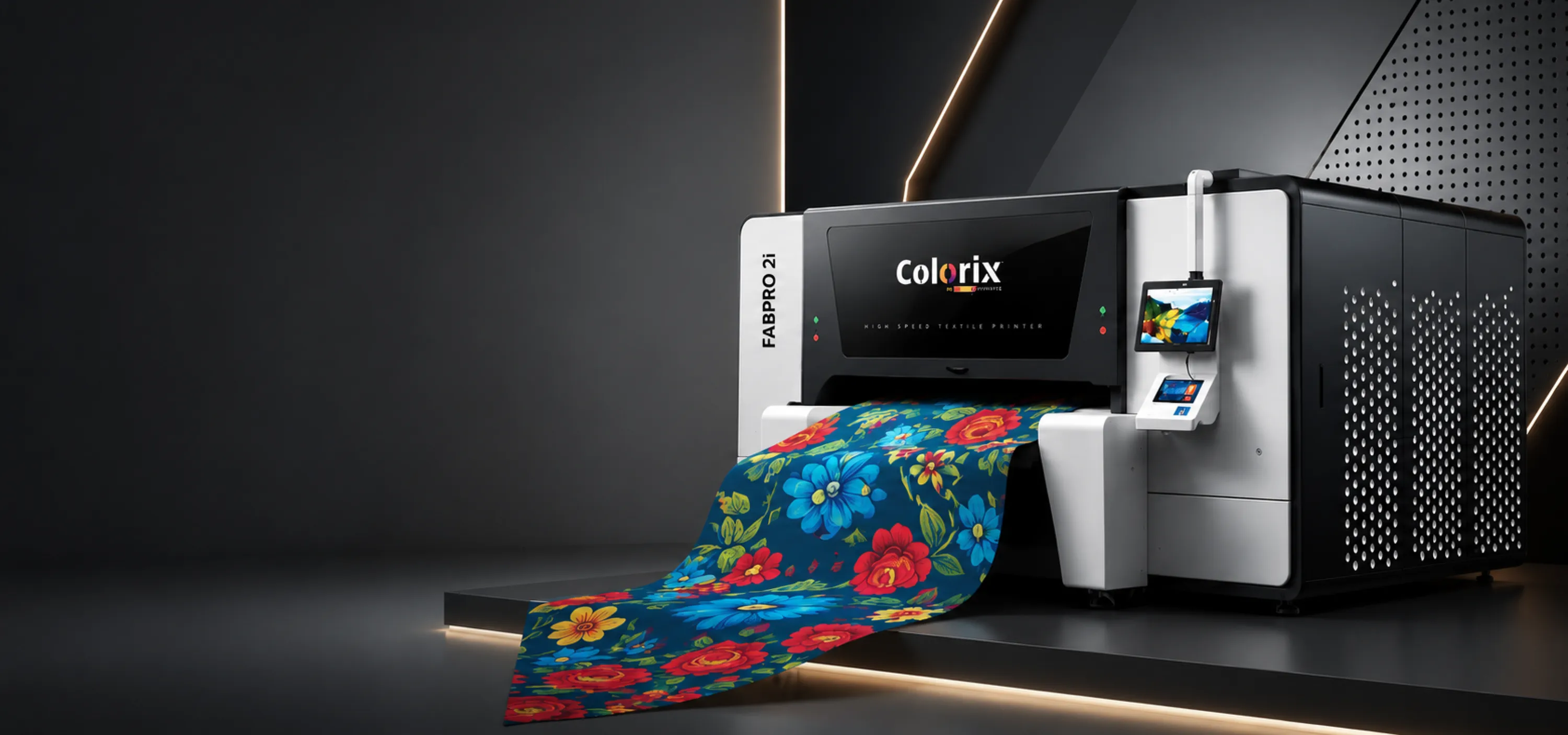
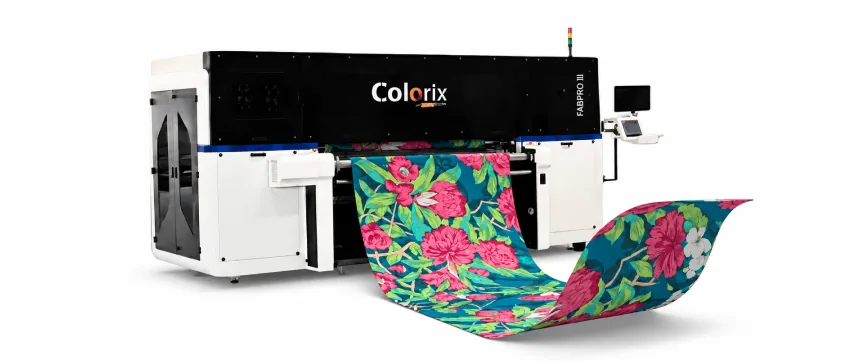
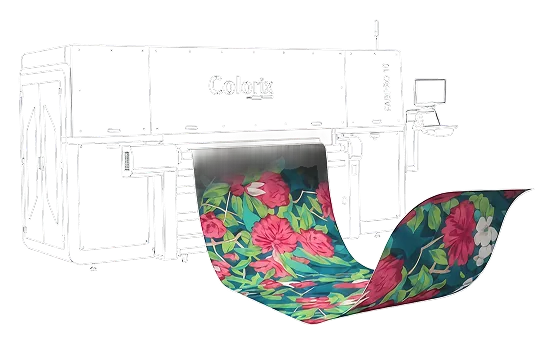
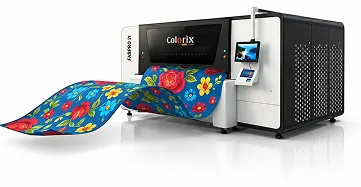
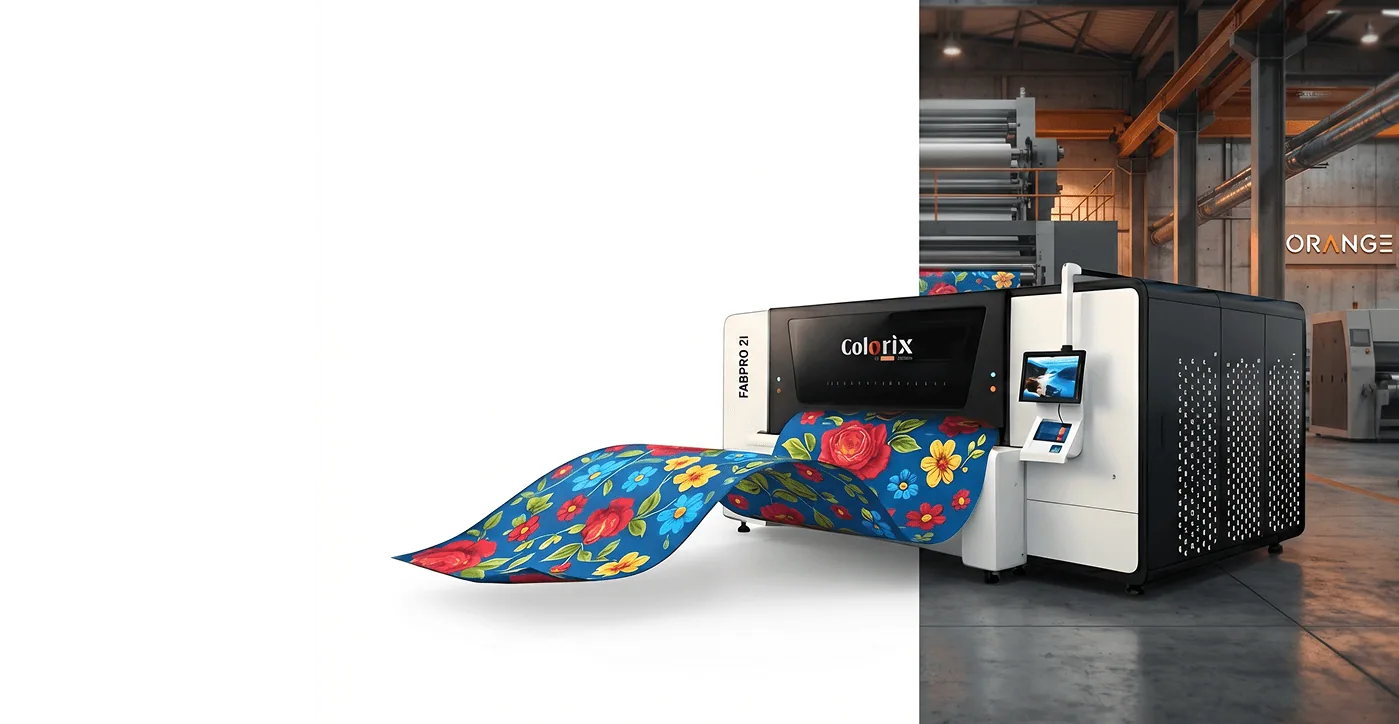
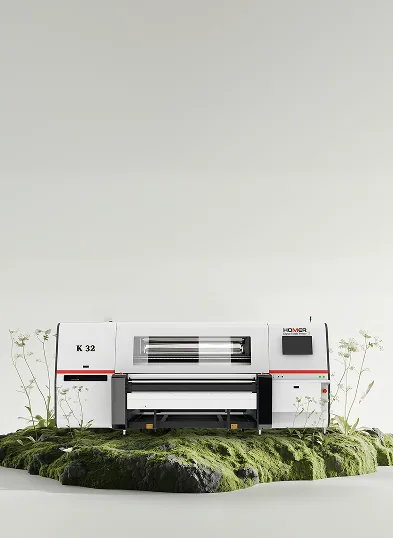
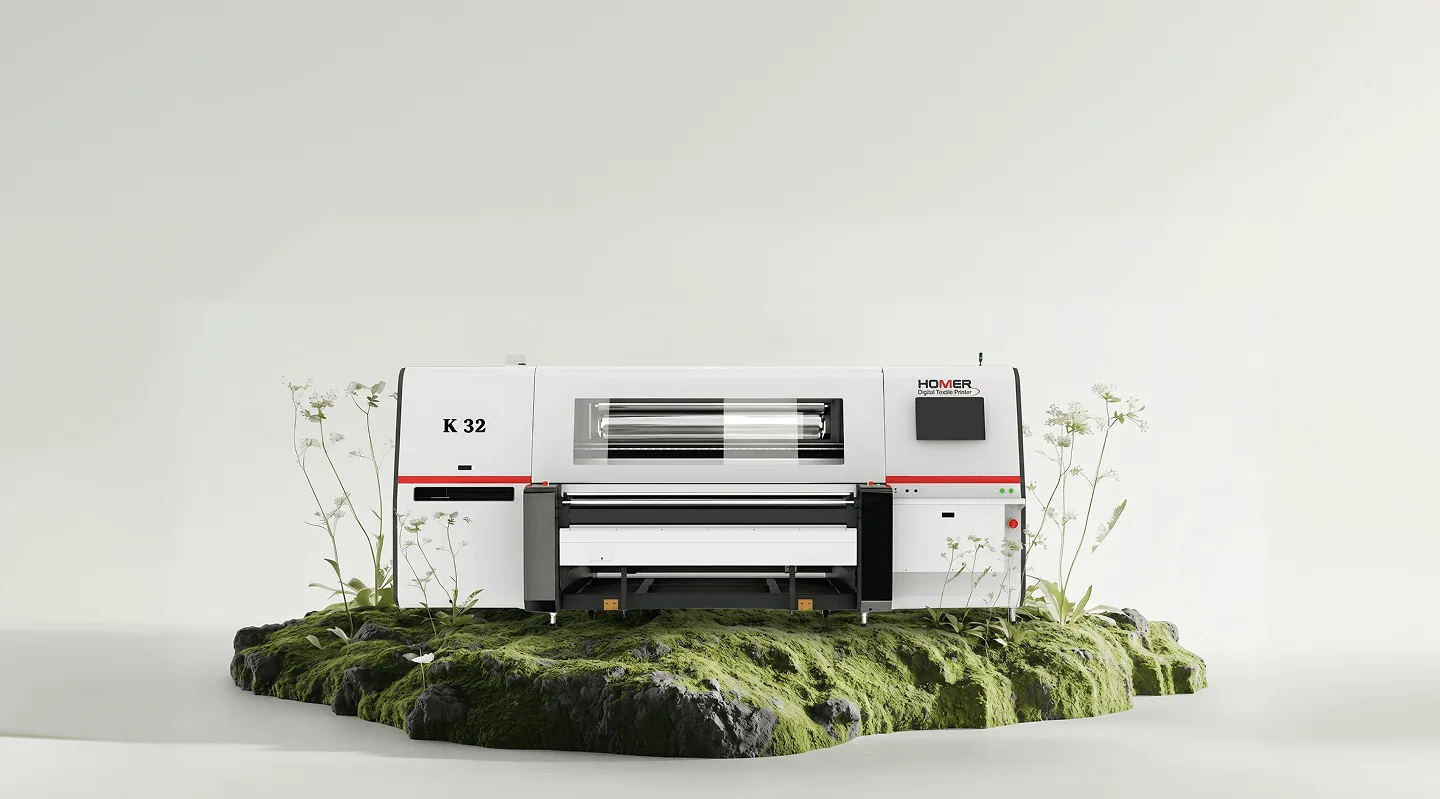
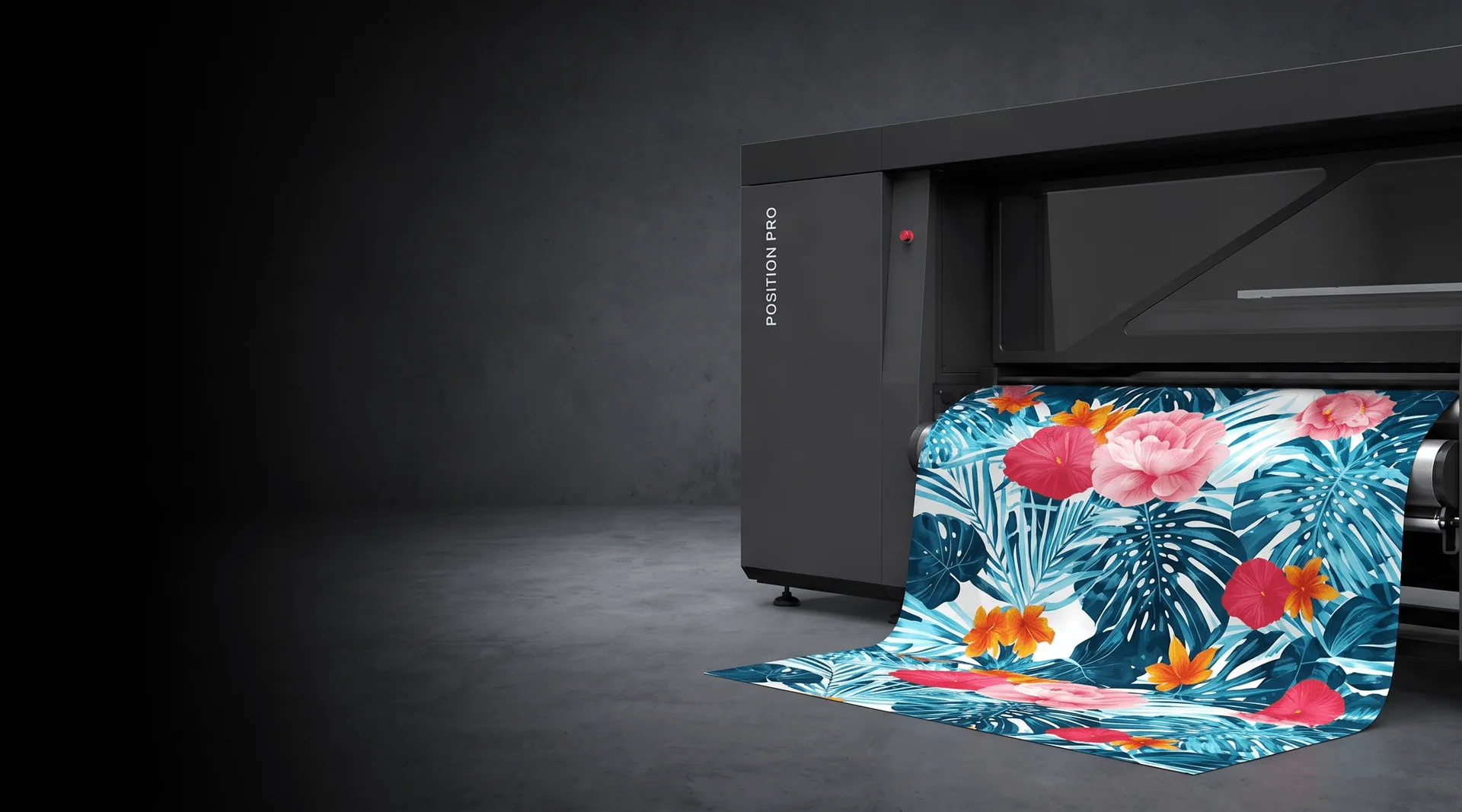
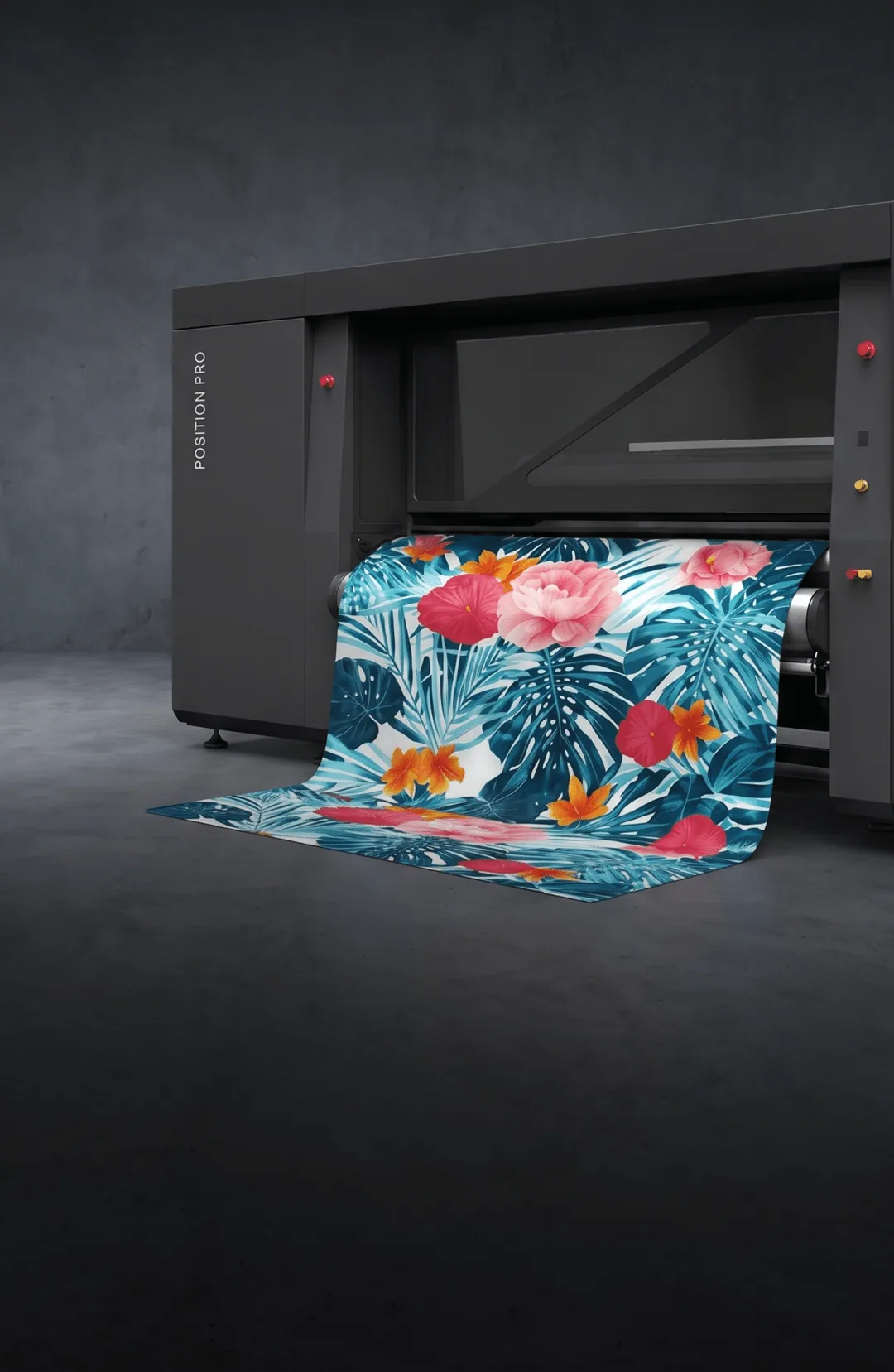
An advanced digital textile printer designed to transform your textile printing operations with speed, precision, and efficiency. Made in India, it combines cutting-edge features such as high-speed printing, precise ink delivery, & low-maintenance systems, making it ideal for small to medium-scale businesses looking to scale their production while maintaining high-quality results.

Specifications

Head technology – Water based Ricoh Gen 6 Printhead

Printing mode – Single/ Bi directional

Max Printing Width – 1500 mm

Weight – Printer – 2300 kg | Dryer – 800 kg

Head technology 

Water based Ricoh Gen 6 Printhead

Printing mode 

Single/ Bi directional

Max Printing Width 

1500 mm

Weight

Printer2300 kg | Dryer – 800 kg

Product Features

FabPro 1i is built for consistent, high-precision textile printing with integrated automation systems and robust engineering.

Efficient Ink Supply System

Ensures a consistent ink flow to prevent ink starvation during printing.

Head Crash Protective System

Safeguards printheads from any obstruction during carriage movement, ensuring longevity.

Wrinkle Controller System

High-precision sensor controls to prevent wrinkles and ensure smooth media conveying.

Integrated Feeding System

Supports media rolls up to 400 mm diameter, allowing for seamless and continuous printing.

Explore the Power of FabPro 1i

Unlock the full potential of FabPro 1i and see how it can revolutionize your textile printing workflow. Download the brochure to learn about its advanced features, robust engineering, and how it supports high-speed, high-precision production.

Knowledge Base

Revolutionizing the textile printing industry with technology.

Digital Cotton Fabric Printer

High Precision Movement

Features a linear motor for precise ink jetting and smooth carriage movement, improving print accuracy.

Automatic Capping & Wiping System

Automatic Capping & Wiping System

Keeps the printheads clean, preventing ink from drying and reducing wastage.

Customizable Drying System

Customizable Drying System

Offers adjustable temperature control for optimal drying, tailored to your production needs.

FabPro 1i - Industrial Reactive & Disperse Digital Textile Printer | Made in India

High-Performance Digital Printing for Export Garments, Fashion Textiles & Home Textiles

The FabPro 1i industrial digital textile printer combines precision engineering with proven reliability, delivering consistent quality for textile manufacturers across India. With 8 Ricoh Gen 6 printheads, 1800mm print width, and speeds up to 110 linear meters per hour, the FabPro 1i handles reactive, acid, and disperse ink printing on cotton, polyester, silk, and blended fabrics—making it ideal for export garment manufacturing, fashion textile production, and home textile printing.

Engineered in India, Built to Lead Globally – the FabPro 1i represents Orange O Tec’s commitment to delivering industrial-grade digital textile printing technology optimized for Indian manufacturing conditions. Assembled at our 20,000 sq. ft. Greater Noida facility with premium global components, the FabPro 1i is backed by 15+ years of digital textile printing expertise and a nationwide service network serving 600+ installations.

Quick Specifications Overview

SpecificationFabPro 1i
Print Width1800mm (1.8 meters)
PrintheadRicoh Gen 6 water-based (8 heads, dual-channel)
SpeedUp to 110 lm/hr (600×600 dpi) / 80 lm/hr (600×900 dpi)
Inks CompatibleReactive, Acid, Disperse (8-color CMYKORBG)
FabricsCotton, linen, silk, nylon, polyester, blends
Resolution600×600 dpi (2-pass) / 600×900 dpi (3-pass)
Fabric Weight Range30-450 g/m² (lightweight silk to heavy canvas)

Trusted by manufacturers in Surat, Tirupur, Ludhiana, and across India | Part of Orange O Tec’s 600+ printer installations nationwide | 50%+ market share in industrial sublimation textile printing

[Request Detailed Quotation →] [Schedule Live Demo →] [Call +91 74900 43336]

Who Should Choose the FabPro 1i?

Ideal for These Textile Manufacturing Operations

The FabPro 1i delivers maximum value for textile manufacturers producing 3,000-12,000 meters monthly across diverse fabric types and applications. If your business requires versatility, consistent quality, and the flexibility to serve both sampling and production needs, the FabPro 1i is engineered for you.

Export-Focused Garment Manufacturers (Tirupur, Bangalore, Delhi NCR)

Perfect for:

  • Cotton garment printing with reactive inks (t-shirts, polo shirts, casualwear, ethnic wear)

  • ISO 4-5 wash fastness required by European and US export buyers

  • Fast sampling capability (24-48 hours) for RFQ responsiveness and buyer approvals

  • Small to medium production runs (500-5,000 meters per design typical)

  • Compliance-focused manufacturing (water reduction, ZDHC, sustainability audits)

Why FabPro 1i works: The reactive ink capability delivers the ISO 4-5 wash fastness your export buyers specify, while the 1800mm width covers standard garment fabric widths (1400-1600mm). Production speed of 70-90 lm/hr (real-world medium designs) enables 600-750 meters daily capacity—adequate for export order sizes without the minimum order quantities that make traditional screen printing uneconomical for your typical 1,000-3,000 meter runs.

Real example: “Tirupur export manufacturer shifted 40% of cotton garment production to FabPro 1i reactive printing, achieving 55% water reduction that met European buyer sustainability targets while maintaining quality. Business retained: ₹4.2 crore annually.”

Fashion Textile Manufacturers (Surat, Mumbai, Ahmedabad)

Perfect for:

  • Polyester fashion fabric printing with disperse inks (sarees, dress materials, kurtis, fashion textiles)

  • Trend-responsive production (quick design changes, seasonal collections)

  • High design variety (20-50+ designs in production simultaneously)

  • Vibrant color requirements (8-color CMYKORBG extended gamut)

  • Domestic wholesale and retail distribution channels

Why FabPro 1i works: Disperse ink compatibility on polyester fabrics is critical for Surat’s synthetic textile market. The 8-color configuration (CMYK plus Orange, Red, Blue, Green) delivers the vibrant secondary colors that fashion textiles demand—oranges, purples, bright greens that standard 4-color CMYK cannot achieve. Design changeover takes minutes (digital file swap), not days (screen remaking), enabling trend responsiveness.

Real example: “Surat synthetic textile manufacturer produces 12,000 meters monthly of printed polyester fashion fabrics in 35+ designs, responding to market trends within 3-5 days from concept to production. Revenue grew ₹2.8 crore to ₹4.6 crore (64% growth) through trend-responsive capability.”

Home Textile Producers (Ludhiana, Panipat, Coimbatore)

Perfect for:

  • Bedding and bed linen (sheets, duvet covers, pillow cases)

  • Curtains and window treatments (polyester and cotton)

  • Cushions, throws, and decorative textiles

  • Seasonal design updates (4-6 collections annually)

  • Mix of cotton (reactive) and polyester (disperse) substrates

Why FabPro 1i works: Home textiles require fabric versatility—cotton bedding (reactive inks), polyester curtains (disperse inks), blended decorative fabrics. The FabPro 1i handles this diversity without separate equipment investments. The 1800mm width accommodates most home textile widths efficiently, and the 30-450 g/m² fabric weight range covers everything from lightweight cotton sheeting (120 g/m²) to heavy curtain fabrics (380 g/m²).

Real example: “Ludhiana home textile manufacturer prints 5,000 meters monthly across cotton bedding (reactive) and polyester curtains (disperse) on the same FabPro 1i, eliminating need for technology-specific equipment. Dead stock reduced from 40% to 12% through test-then-scale digital printing model.”

Production Volume Sweet Spot

  • Minimum viable: 2,000-3,000 meters monthly (covers fixed costs, achievable ROI)

  • Optimal range: 5,000-10,000 meters monthly (strong margins, excellent ROI)

  • Maximum capacity: Up to 15,000 meters monthly (single-shift, 8 hours daily)

  • Multi-shift potential: 20,000-25,000 meters monthly (two shifts, high utilization)

Business Models the FabPro 1i Enables

✅ Sampling + Production Combined: Fast sampling (24-48 hours) wins orders, same equipment produces orders (no handoff delays)

✅ Job Work Printing Services: Serve multiple brands/buyers with flexible fabric and design handling

✅ In-House Printing for Brands/Exporters: Control quality, lead times, and inventory for your own production

✅ Hybrid Digital + Traditional: Digital for sampling and small-medium runs, traditional for high-volume repeats

✅ Test-Then-Scale: Print 100-300 meters digitally to test market, scale successful designs to larger production

Not the Best Fit For:

❌ Very high-volume commodity printing (>20,000 meters monthly single design—traditional printing more economical)

❌ 100% polyester-only focus (dedicated sublimation printer offers lower operating costs on pure polyester)

❌ Sampling-only operations with no production (smaller entry-level system more cost-effective)

❌ Extremely wide-format requirements (home textiles requiring 3.2m width—consider FabPro 2i or wide-format models)

The FabPro 1i excels at versatility, quality, and flexibility—ideal for manufacturers serving diverse fabric types, design-intensive production, and export markets where both quality and sustainability matter.

Engineering Features That Deliver Business Results

Industrial-Grade Components for Production Reliability

Ricoh Gen 6 Printhead Technology (Dual-Channel Configuration)

What it is: 8 Ricoh Gen 6 water-based industrial printheads in dual-channel configuration, delivering precise ink droplet placement at high speeds with consistent quality across production runs.

Why it matters for your business:

Reliability you can count on: Ricoh Gen 6 printheads are proven in industrial textile printing worldwide, with typical operational life of 2-3 years (with proper maintenance and OEM inks). This translates to predictable replacement costs and minimal production interruptions due to printhead failures.

Cost implications: Each Ricoh Gen 6 printhead costs ₹3-3.5 lakh for replacement. With 8 printheads in the FabPro 1i, proper maintenance that extends printhead life from 1.5 years to 2.5 years saves ₹3.2-4 lakh annually in replacement costs—money directly to your bottom line.

Quality consistency: Dual-channel technology enables higher speeds without compromising quality. The printhead configuration delivers consistent color density across the entire 1800mm print width, critical for pattern matching and repeat orders where color consistency determines buyer acceptance or rejection.

Real production impact: “Tirupur export unit reduced fabric rejection rate from 10% (traditional screen printing variability) to 2% (digital consistency) after installing FabPro 1i. At 5,000 meters monthly production, this quality improvement saves ₹8 lakh annually in rejection costs and maintains buyer relationships through consistent quality.”

Linear Motor System for Precision at Speed

What it is: Precision linear motor drives the carriage movement with smooth acceleration and positioning accuracy, combined with THK high-precision guideways from Japan that ensure vibration-free printing at production speeds.

Why it matters for your business:

Registration accuracy: Fashion textiles and home textiles often feature repeat patterns, borders, or precise design placement. The linear motor’s positioning accuracy maintains registration within ±0.1mm across the entire print width—critical for patterns where misregistration is immediately visible and unacceptable to buyers.

Speed without quality compromise: Linear motors enable the FabPro 1i to achieve 110 lm/hr speeds while maintaining 600 dpi quality. Traditional belt-driven systems sacrifice either speed or quality—linear motors deliver both.

Production example: “Surat fashion textile manufacturer prints intricate floral patterns with perfect registration at 80 lm/hr production speed. Previous printer (belt-driven) required…”

speed reduction to 45 lm/hr for acceptable registration—linear motor nearly doubles productive capacity without quality loss.”

Maintenance advantage: Linear motors have fewer moving parts than belt systems, reducing maintenance requirements and extending system life. No belt tension adjustments, no belt replacement—simpler, more reliable operation.

Continuous Belt Conveying System with Integrated Feeding

What it is: Integrated fabric feeding system supporting rolls up to 400mm diameter and fabric weights from 30-450 g/m², with automatic tension control maintaining consistent fabric positioning throughout printing.

Why it matters for your business:

Fabric versatility: Your production likely includes diverse fabric types—lightweight silk (30 g/m²) for premium textiles, standard cotton knits (150 g/m²) for garments, and heavy curtain fabrics (380 g/m²) for home textiles. The FabPro 1i handles this entire range without system modifications or changeovers—simply load the fabric and print.

Production efficiency: Standard 400mm roll capacity holds 150-300 meters of fabric (depending on fabric weight), enabling 3-6 hour continuous production runs without roll changes. This minimizes operator intervention and maximizes uptime.

Real workflow benefit: “Home textile manufacturer alternates between cotton sheeting (150 g/m²) and heavy curtain fabric (380 g/m²) daily on the FabPro 1i without production delays or system adjustments. This flexibility enables serving diverse customer orders without dedicated equipment for each fabric type.”

5-Stage Squeeze System (Water Resistant) – Critical for Indian Conditions

What it is: Advanced 5-stage squeeze system for belt cleaning prevents lint and dust blockage, designed for easy maintenance with no blockage issues common in textile production environments.

Why this matters specifically in India:

Textile production generates lint: Indian textile manufacturing environments typically have higher ambient dust and lint compared to controlled Western facilities. Standard squeeze systems block frequently, requiring production stops for cleaning—the FabPro 1i’s 5-stage system handles Indian production conditions effectively.

Maintenance time savings: Reduced cleaning frequency means less downtime. Instead of daily belt cleaning (common with basic systems), the 5-stage squeeze system typically requires cleaning every 3-5 days in normal production, saving 30-45 minutes daily.

Uptime impact: If daily cleaning costs 45 minutes production time, elimination saves ~16 hours monthly. At 70 lm/hr average speed and 1.8m width, this is 126 sqm = 70 meters additional monthly production capacity—₹14,000-21,000 additional monthly revenue at ₹200-300/m selling price.

Premium Component Sourcing - Built to Last

Premium Component Sourcing – Built to Last

The FabPro 1i incorporates global-standard components for industrial reliability:
  • Printheads: Ricoh Gen 6 (Japan) – industry-leading reliability and consistency
  • Linear Guides: THK (Japan) – precision motion systems, minimal wear
  • Bearings: SKF (Sweden) – low-friction, high-precision, extended life
  • Wiring: Lapp (Germany) – complete control panel wiring, industrial-grade
  • Motors: Nidec (Japan) – reliable motion control, proven in industrial applications
  • Control Systems: Omron (Japan) – industrial automation components
  • Automation: Delta, Autonics (industrial controls)

Quality assurance: Every FabPro 1i undergoes testing at our Greater Noida assembly
facility before delivery—print quality verification, motion system testing, drying system
calibration. You receive a printer that’s already proven operational, not requiring
troubleshooting and adjustment during your installation.

Complete Technical Specifications & What They Mean for Your Production

      Printing System Specification Explained

SpecificationFabPro 1i DetailsWhat This Means for Your Business
Print HeadRicoh Gen 6 water-based inkjet (8 heads, dual-channel)Industrial-grade reliability with 2-3 year printhead life. Dual-channel configuration enables faster speeds without quality compromise. Water-based inks safer and more environmentally compliant than solvent-based alternatives.
Print Head Quantity8 headsDual printhead per color (CMYKORBG) enables 2x speed vs single-head-per-color systems. Provides redundancy—if one head has nozzle issues, other head maintains production during troubleshooting.
Color ConfigurationCMYK + O + R + B + G (8 colors)Extended color gamut beyond standard CMYK. Orange (O) enables vibrant oranges and skin tones. Red (R) and Blue (B) deliver saturated primary colors. Green (G) achieves vivid greens impossible with CMYK alone. Critical for fashion textiles requiring color vibrancy.
Printing ModeSingle-directional / Bi-directionalBi-directional (prints both directions) for maximum speed—use for most production (70-110 lm/hr). Single-directional (prints one direction only) for highest quality when needed—use for critical quality applications (50-80 lm/hr but perfect registration).
Printing Resolution600×600 dpi (2-pass) / 600×900 dpi (3-pass)600×600 dpi: Adequate for 85% of fashion and home textiles—fast speed (up to 110 lm/hr), good quality, most economical. 600×900 dpi: Higher quality for detailed designs, fine patterns, photographic prints—slower (up to 80 lm/hr) but visibly better for premium applications.
Printing Speed (8 Heads)Up to 110 lm/hr (2-pass) / Up to 80 lm/hr (3-pass)Real-world production speeds: Light designs (20-30% coverage): 90-110 lm/hr. Medium designs (50-60% coverage): 70-90 lm/hr—most common. Heavy designs (80-100% coverage): 50-70 lm/hr. Plan for 70-80 lm/hr average = 600-700 meters daily capacity (8-hour shift).
Inks SupportedReactive, Acid, DisperseReactive inks: For cotton, viscose, linen, natural cellulose fibers—ISO 4-5 wash fastness. Acid inks: For silk, nylon, protein fibers—excellent color on luxury textiles. Disperse inks: For polyester, synthetic fibers—vibrant colors, excellent wash fastness on synthetics.
Ink Tank Capacity15 liters per colorLarge capacity enables 4-6 hour continuous production without refilling. Reduces operator intervention, maximizes uptime. Total system capacity: 120 liters (15L x 8 colors).
RIP SoftwareneoStampa professional editionIndustry-standard RIP with ICC color management, Pantone library integration, job queuing, production workflow tools. Enables accurate color matching and efficient production management.

      Media Handling & Fabric Compatibility

SpecificationFabPro 1 DetailsWhat This Means for Your Business
Media TypeCotton, linen, silk, nylon, polyester, blend fabricsUnmatched versatility — handles virtually all textile substrates used in garment, fashion, and home textile production. No need for separate equipment for different fabric types.
Media ConveyingContinuous belt conveyor with adhesiveAutomated fabric feeding reduces operator intervention. Belt system maintains consistent tension preventing fabric stretch or distortion during print — critical for registration accuracy.
Max Printing Width1800 mm (1.8 meters)Covers standard garment fabric widths (140–160 cm) with margin for alignment. Adequate for most home textile widths except extra-wide curtains/bedding which require wider prints.
Max Blanket Width1900 mm100 mm wider than print width — accommodates fabric edge handling and alignment without printable constraints.
Max Media Width1850 mm50 mm margin beyond print enables fabric edge handling, salvage accommodation, and ensures print area is fully usable.
Material Weight Range30–450 g/m²Industry-leading range: Lightweight silk/chiffon (30 g/m²) to heavy canvas/upholstery (450 g/m²). Most textiles fall within 80–350 g/m². This printer handles them all. Compare to competitors often limited to 50–350 g/m².
Max Roll Diameter400 mm standardTypical fabric roll: 150–300 meters depending on fabric weight. Allows long continuous runs.
Max Roll Weight200 kgStandard industrial fabric rolls: 100–150 kg. System handles typical manufacturing rolls without special lightweight roll preparation.
Drying Mode (8 Heater with Customizable Temperature Control)1 belt + fins heater with customizable temperature controlIntegrated drying enables immediate fabric handling after printing. Customizable temperature accommodates different fabrics — lower temp for delicate silks, high temp for heavy cotton.
Exhaust TreatmentCompulsory ventilation with exhaust systemRemoves solvent vapors and humidity from drying zone, maintains print quality and working environment safety. Required for proper exhaust.

      Infrastructure Requirements – Plan Before Installation

RequirementSpecificationPlanning Guidance for Indian Conditions
Printer PowerAC 220-240V ± 10%, single phase, 10KWStandard industrial single-phase power adequate. However, voltage stabilizer mandatory in Indian conditions—grid fluctuations common in industrial areas. Budget ₹1.5-3 lakh for 20-30 KVA voltage stabilizer (protects ₹60 lakh equipment investment).
Dryer PowerAC 380V ± 10%, three phase, 25A (15.9 KW)Three-phase power required (standard in industrial facilities). If your facility has only single-phase, electrical upgrade needed before installation. Total system draw: 10KW + 15.9KW = ~26KW combined.
Compressed Air Supply0.6 MPa (6 bar), 3.5 $M^3/hr$, dry, oil-free, no waterIndustrial compressor required (not standard shop compressor). Must be oil-free and dry—oil or water contamination damages printheads (₹3 lakh each). If existing compressor is oil-lubricated, install air dryer and filtration system. Budget ₹1.5-3 lakh for appropriate compressor if not existing.
Temperature20-26°C (68-76°F) optimalClimate control recommended in hot regions: Surat summers reach 40-45°C, affecting print quality and ink viscosity. Options: Full AC (₹4-8 lakh), industrial coolers (₹2-4 lakh), or high-capacity ventilation (₹1-2 lakh minimum). Temperature stability improves quality consistency.
Humidity55-65% optimalModerate humidity prevents static electricity (fabric handling issues) and assists drying. If humidity >70% during monsoon, dehumidifier recommended (₹50,000-1.5 lakh). If <40% in dry seasons, humidifier may help (₹30,000-80,000).
Installation DimensionsPrinter: 13.3 x 6.6 x 5.6 feet / Dryer: 9.7 x 7.7 x 4.7 feetEquipment footprint: ~85 sqft combined. Operational clearances: Front loading space (3-4 feet), side access (1.5 feet each side), rear service access (1.5 feet) = additional 60-80 sqft. Printing area total: 145-165 sqft minimum.
Installation Space17.3 x 12.6 feet (L x W) recommendedThis is equipment + operational clearances. Complete workflow space: Add fabric prep area (150-200 sqft), post-processing (150-200 sqft if reactive inks requiring washing), QC area (100 sqft), storage (150 sqft) = Total facility: 700-900 sqft for complete production setup. Surat GIDC space-constrained operations can optimize to 600-700 sqft with efficient layout.
Printer Weight2,300 kg (2.3 tons)Floor loading: 2,300 kg / 85 sqft = ~27 kg/sqft. Standard industrial concrete floor handles this easily (designed for 200-300 kg/sqft). No special foundation needed, but floor must be level (± 2mm over print width).
Dryer Weight800 kgCombined equipment weight: 3,100 kg (3.1 tons). Ensure floor can handle combined loading.

Critical Infrastructure Investments (Non-Optional for Indian Conditions)

Protection Equipment – Mandatory: 

  1. Voltage Stabilizer (20-30 kVA capacity): ₹1.5-3 lakh 
  • Indian grid voltage varies ±10-15% routinely 
  • GIDC industrial areas experience voltage fluctuations, surges 
  • One voltage surge can destroy ₹60 lakh printer—stabilizer is insurance 
  1. UPS System (5-10 kVA for control electronics): ₹80,000-1.5 lakh
  • Prevents printhead clogs during sudden power cuts (common in India)
  • Enables orderly system shutdown preserving printheads and data 
  • 5-10 minute runtime sufficient for safe stop 
  1. Proper Earthing (<5 ohm resistance): ₹25,000-50,000 
  • Safety critical + equipment protection
  • Separate earth for digital equipment (not shared with heavy printerry)
  1. Generator Backup (location-dependent): ₹3-5 lakh 
  • Required in areas with >2 hours daily load shedding 
  • Tirupur experiences scheduled power cuts—generator often necessary 
  • 25-40 kVA capacity with auto-changeover system 

Total power infrastructure: ₹2.5-8 lakh depending on existing facility and regional power quality 

This is not optional cost-cutting area—inadequate power protection causes frequent breakdowns, shortened equipment life, and expensive printhead replacements.

Proven Applications Across Indian Textile Industry

Export Garment Manufacturing (Tirupur, Bangalore, Delhi NCR)

Cotton T-Shirt & Polo Shirt Printing (Reactive Inks)

The FabPro 1i’s reactive ink printing on cotton delivers ISO 4-5 wash fastness required by
European and US export buyers—40-60+ wash cycles without significant fading. This
quality level is mandatory for brands like H&M, Zara, Gap, Next, and other major retailers
who audit vendor quality standards.
Typical production workflow:

  • Cotton knit fabric (160-200 g/m², single jersey or pique)
  • Reactive ink printing at 70-85 lm/hr (medium design coverage typical for t-shirt
    graphics)
  • Production volumes: 500-3,000 meters per order (typical export order size)
  • Lead time: 5-7 days from approved sample to production completion

Business advantage: “24-48 hour sampling enables RFQ response before competitors.
Export buyers increasingly require fast sampling for trend-responsive collections—our
FabPro 1i sampling capability increased RFQ conversion from 18% to 32%, adding ₹18-25
lakh monthly incremental orders.” – Tirupur Export Manufacturer

Water savings positioning: European buyers implementing mandatory water reduction
targets (40-60% by 2027). Digital reactive printing achieves 60-75% water reduction vs
traditional printing—strong compliance advantage. “We maintained ₹3.5 crore annual
business with major European buyer through documented water reduction using FabPro 1i.
Without compliance capability, we would have lost vendor status.”
Fashion Textile Manufacturing (Surat, Mumbai, Ahmedabad)
Polyester Fashion Fabric Printing (Disperse Inks)
Surat’s synthetic textile market dominates India’s polyester fashion fabric production. The
FabPro 1i’s disperse ink capability delivers vibrant colors on polyester saree, dress material,
kurti fabric, and fashion textile wholesale markets.

Typical applications:

  • Polyester woven fabrics (100-180 g/m², crepe, satin, chiffon, georgette)
  • Disperse ink printing at 75-90 lm/hr (typical fashion print designs)
  • Design variety: 20-50 designs in production monthly (seasonal collections)
  • Production runs: 200-1,500 meters per design (fashion requires variety, not volume)

Market responsiveness advantage: “Fashion market demands quick response to trends.
Traditional screen printing requires 8-12 days for new design production (screen making,
setup, sampling). FabPro 1i enables 2-3 day concept-to-production cycle. We now launch
30+ new designs monthly vs previous 8-10 designs—revenue grew ₹2.8 crore to ₹4.6 crore
in 18 months.” – Surat Fashion Textile Manufacturer

Color vibrancy benefit: “The 8-color configuration (CMYKORBG) delivers oranges,
purples, vibrant greens that buyers demand for fashion textiles. Standard CMYK cannot
achieve these colors—extended color gamut differentiates our products in wholesale
market, enabling 8-12% price premium vs standard prints.”

Home Textile Production (Ludhiana, Panipat, Coimbatore)

Bedding, Curtains, and Decorative Textiles

Home textile manufacturers serve both domestic retail and export markets with diverse
fabric types—cotton bedding (reactive inks), polyester curtains (disperse inks), and blended
decorative fabrics. The FabPro 1i’s versatility handles this diversity without multiple
equipment investments.
Typical applications:

  • Cotton bed linen: Reactive inks, 120-180 g/m² cotton sheeting, 500-3,000m per design
  • Polyester curtains: Disperse inks, 180-320 g/m² polyester blackout/sheer fabrics, 300-
    2,000m per design
  • Cushion covers: Reactive or disperse depending on fabric, 100-500m per design (high
    variety)
  • Upholstery fabrics: Depends on substrate, 200-280 g/m² typical, 500-2,000m per
    design

Inventory optimization advantage: “Traditional printing minimum 1,000 meters per design
forced overproduction—we carried ₹18-22 lakh dead stock (40% of production). Digital
printing enables 150-300 meter initial runs to test market response. Dead stock reduced to
12%, freeing ₹12-15 lakh working capital. We now print 50+ designs annually vs previous 18
designs—increased design variety improves sales while reducing inventory risk.” – Ludhiana
Home Textile Producer

Seasonal collection flexibility: “Home textile market has 4-6 seasonal collections annually.
Digital printing enables quick design changeovers between collections without screen
inventory management or disposal costs. We respond to interior design trends and dealer
feedback within weeks instead of months.”

Silk and Luxury Textile Printing (Bangalore, Varanasi, Kanchipuram)

Premium Fabric Applications (Acid Inks)

The FabPro 1i’s acid ink capability serves silk, viscose, and luxury textile manufacturers
requiring high-quality printing on delicate fabrics. The 30-450 g/m² fabric weight range
includes lightweight silks (30-60 g/m²) that require gentle handling.

Typical applications:

  • Silk sarees (acid inks, 40-80 g/m² silk fabric)
  • Silk stoles and scarves (50-100m runs typical for boutique brands)
  • Luxury apparel fabrics (silk, viscose, modal)

Low MOQ advantage: “Boutique fashion brands and designers need 50-150 meter fabric
quantities impossible with traditional printing economics. FabPro 1i enables profitable lowvolume
production serving premium market segment. We supply 40+ boutique designers
with custom-printed silk fabrics—revenue stream impossible with traditional printing.” –
Bangalore Silk Printer

Custom and Personalized Textile Production

Photo Printing, Custom Branding, Event Textiles

The FabPro 1i’s versatility enables niche custom printing applications—photo textiles,
corporate branding, wedding textiles, event-specific printing—that command premium
pricing and enable business differentiation.

Applications:

  • Photo printing on fabric (memorial textiles, personalized gifts)
  • Corporate branding textiles (branded merchandise, uniforms, promotional items)
  • Wedding and event custom printing (personalized designs, specific color matching)
  • Small-batch custom orders (10-100 meters typical)

Premium pricing model: Custom and personalized applications typically command ₹400-
800/meter pricing vs ₹200-300/m standard production—higher margins offset lower
volumes, creating profitable niche business segment.

Complete Investment Breakdown & Return Timeline

Total Investment Required for FabPro 1i Implementation

Equipment Package Investment: ₹58-65 lakh

Core equipment included:

  • FabPro 1i printer with 8 Ricoh Gen 6 printheads (fully assembled, factory-tested)
  • Integrated drying system (belt + fins heater with temperature control)
  • Continuous belt conveying system with 400mm roll capacity
  • Ink supply system (15L capacity per color, 8 colors = 120L total)
  • neoStampa RIP software (professional edition with color management)
  • Control panel with touchscreen interface
  • Standard accessories kit (ink, cleaning materials, basic tools)

Essential Infrastructure: ₹6-12 lakh

Power protection (mandatory in Indian conditions):

  • Voltage stabilizer (20-30 kVA): ₹1.5-3 lakh (cannot skip—protects equipment)
  • UPS system (5-10 kVA): ₹80,000-1.5 lakh (prevents printhead damage)
  • Proper earthing and installation: ₹50,000-1 lakh
  • Generator backup (if required): ₹3-5 lakh (frequent power cut areas)

Compressed air system: ₹1.5-3 lakh (if not existing—must be oil-free, dry)

Space preparation:

  • Flooring (level, concrete): ₹50,000-1.5 lakh
  • Climate control (AC/coolers/ventilation): ₹2-6 lakh (hot regions—Surat, Ahmedabad)
  • Exhaust ventilation system: ₹50,000-1.5 lakh

Implementation & Training: ₹2-4 lakh

  • Installation and commissioning: ₹80,000-1.5 lakh
  • Operator training (2-3 operators, 5-7 days on-site): ₹40,000-80,000
  • Initial consumables (inks, pretreatment, cleaning): ₹1-2 lakh
  • Initial fabric testing and profiling: ₹30,000-60,000

Working Capital Requirements: ₹15-25 lakh

Critical but often overlooked:

  • Ink inventory (3-month stock): ₹3-6 lakh
  • Fabric inventory (1-2 months raw material): ₹8-15 lakh
  • Accounts receivable buffer (buyer payment terms): ₹4-10 lakh

Working capital varies by:

  • Production volume (higher volume = more capital locked)
  • Buyer payment terms (export 60-90 days vs domestic 30-45 days)
  • Business model (job work vs own production)

Total Project Investment: ₹81-106 lakh

Conservative planning recommendation: ₹90-100 lakh budget

  • Equipment: 60-65%
  • Infrastructure: 10-12%
  • Implementation: 3-4%
  • Working capital: 20-25%

Common mistake: Budgeting only equipment cost (₹58-65 lakh), then discovering total project requires ₹90-100 lakh—creates cash flow crisis. Plan complete investment from start.

Financing Options

Most manufacturers finance 50-70% of total investment:

  • Down payment: ₹27-35 lakh (30-35% typical)
  • Financed amount: ₹54-72 lakh
  • Typical terms: 5 years, 12-14% interest
  • Monthly EMI: ₹2.5-3.3 lakh

Orange O Tec works with financing partners to facilitate equipment financing. Documentation and application support provided.

Operating Costs – Monthly Budget Planning

Variable costs (per meter produced):

For reactive ink printing on cotton:

  • Reactive ink: ₹50-80/m
  • Pretreatment chemicals: ₹25-35/m
  • Energy (electricity): ₹4-6/m
  • Direct labor (operator): ₹8-12/m
  • Maintenance consumables: ₹6-10/m
  • Total variable: ₹93-143/m

For disperse ink printing on polyester:

  • Disperse ink: ₹35-65/m
  • Pretreatment: ₹18-28/m
  • Energy: ₹3-5/m
  • Labor: ₹8-12/m
  • Maintenance: ₹6-10/m
  • Total variable: ₹70-120/m

Fixed costs (monthly):

  • Equipment depreciation or EMI: ₹2-3.3 lakh
  • Facility costs (rent, utilities): ₹30,000-60,000
  • Indirect labor (supervisor, maintenance): ₹25,000-50,000
  • Maintenance reserve (printhead replacement): ₹25,000-50,000
  • Insurance, administrative: ₹15,000-30,000
  • Total fixed: ₹2.95-5.2 lakh monthly

Break-even production: 2,000-3,000 meters monthly

ROI Timeline Analysis

Scenario: 5,000 meters monthly production

  • Average selling price: ₹260/m
  • Monthly revenue: ₹13 lakh
  • Variable costs: ₹5.5 lakh
  • Contribution margin: ₹7.5 lakh
  • Fixed costs: ₹3.5 lakh
  • Net monthly profit: ₹4 lakh

Realistic ROI: 19-22 months (accounting for sampling advantages and market ramp-up).

What’s Included: Complete Package Details

Hardware – Fully Assembled and Tested:

✅  FabPro 1i digital textile printer

✅  8 Ricoh Gen 6 printheads (pre-installed, calibrated)

✅  Integrated drying system

✅  Ink supply system (120L total capacity)

✅  Continuous belt conveying system

✅  Control panel with touchscreen (English/Hindi)

✅  Linear motor system for precision carriage movement

✅  5-stage squeeze system (lint-resistant)

✅  Head crash protective system

✅  Wrinkle controller system

Software & Services:

✅  neoStampa RIP software (Professional Edition)

✅  ICC profile management (Pantone color matching)

✅  5-7 days on-site operator training

✅  Operation manuals in English and Hindi

✅  12 months comprehensive equipment warranty

Exclusions (What warranty does NOT cover):

❌  Consumables (printheads, belts, filters, wipers)

❌  Damage from improper operation or non-recommended inks

❌  Electrical damage from inadequate power protection

❌  Damage from contaminated compressed air

Post-Installation Support & Service

Orange O Tec Nationwide Service Network:

Service Response Times:
  • Surat, Tirupur, Delhi NCR, Mumbai: <24 hours on-site response (critical issues)
  • Other major clusters: <48 hours on-site response
  • Tier 2/3 cities: <72 hours response via regional technicians
Service Infrastructure:
  • 75+ dedicated service engineers nationwide
  • Factory-trained on FabPro series (not generic technicians)
  • Regional spare parts inventory (critical components stocked)
  • Remote diagnostic capability (internet-connected troubleshooting)
Support Channels:
  • Phone support: Business hours (9 AM – 6 PM, Mon-Sat)
  • WhatsApp support: +91 74900 43336 (quick queries, image sharing)
  • Email support: sales@orangeotec.com (detailed queries, documentation)
  • Remote assistance: Screen sharing, camera-based troubleshooting
Spare Parts Availability:
  • Critical parts stocked regionally: Printheads, dampers, major electronics
  • Standard parts: 24-48 hour delivery from central warehouse
  • Emergency parts: Expedited courier for urgent requirements
  • Pricing transparency: Published spare parts price list (no surprise costs)

Annual Maintenance Contract (AMC) Options

Comprehensive AMC Coverage:

  • Scheduled preventive maintenance visits (quarterly)
  • Priority response for issues (upgraded to 12-24 hour guarantee)
  • Discounted labor rates (or labor included depending on plan)
  • Parts discounts (10-15% off list prices)
  • Remote support priority
  • Typical cost: ₹1.2-1.8 lakh annually (10-15% of equipment value)
Value of AMC:

Preventive maintenance prevents failures—better uptime, extended equipment life, predictable costs vs. emergency repairs.

Real Customer Success Stories - Proven Results Across India

Success Story 1: Tirupur Export Garment Manufacturer – Business Retention Through Compliance

Customer Profile:

  • Export-focused manufacturer, cotton garment printing
  • European buyers: 70% of revenue (₹3.5 crore annually)
  • Production: 4,000-6,000 meters monthly

Challenge: Major European buyer implemented mandatory 40% water reduction target for all vendors by 2024. Traditional reactive screen printing consumed 180-220 L/m—achieving 40% reduction impossible without technology change. Buyer made it clear: meet target or lose vendor status.

Solution: Installed FabPro 1i in March 2023, shifted 40% of production from traditional to digital reactive printing. Implemented water measurement systems, documented consumption reduction, prepared audit documentation.

Results Achieved:

  • Overall water reduction: 55% (exceeded 40% target)
  • Water consumption: 180 L/m (traditional) → 81 L/m (mixed traditional/digital)
  • Vendor status maintained with major buyer
  • Business not only retained but expanded: Now ₹4.2 crore annually
  • Additional sustainability-focused buyers attracted (water reduction positioning)
  • ROI: 14 months through business retention and expansion

Customer quote: “The FabPro 1i saved our European business. Without documented water reduction, we would have been de-listed—losing ₹3.5 crore annual revenue. Now we’re preferred vendor for sustainability-focused buyers. The printer paid for itself in 14 months just through business retention, and continues generating returns through new sustainability-conscious buyer acquisition.”

Key success factor: Proactive compliance investment before crisis, documented water savings, leveraged digital capability for competitive differentiation.


Success Story 2: Surat Fashion Textile Manufacturer – Revenue Growth Through Market Responsiveness

Customer Profile:

  • Polyester fashion fabric printing (sarees, dress materials)
  • Domestic wholesale market, Surat-based distribution
  • Production: 8,000-10,000 meters monthly

Challenge: Fashion textile market increasingly trend-driven—successful designs sell fast, unsuccessful designs become dead stock. Traditional screen printing’s 8-12 day new design timeline too slow—by the time screens ready, market trends already shifted. Lost market share to faster competitors.

Solution: Installed FabPro 1i in July 2022 for disperse ink polyester printing. Implemented fast-response workflow: market feedback → design creation → 2-3 day production → wholesale distribution. Increased design variety from 20 annually to 60+ annually.

Results Achieved:

  • Revenue growth: ₹2.8 crore to ₹4.6 crore (64% increase in 18 months)
  • Design variety increased 3x (20 designs to 60+ designs annually)
  • Time-to-market improved from 12-15 days to 3-5 days
  • RFQ conversion improved from 18% to 35% (faster sampling capability)
  • Dead stock reduced from 28% to 15% (test smaller quantities before scaling)
  • Wholesale dealer satisfaction improved (fresh designs, trend alignment)
  • ROI: 18 months

Customer quote: “Digital printing transformed our business model. We’re now trend-responsive instead of trend-following. We launch 5-6 new designs monthly, test market response with 200-300 meter production runs, then scale winners. This approach dramatically reduced dead stock risk while increasing design variety that wholesale dealers demand. Revenue grew 64% in 18 months—the FabPro 1i paid for itself in 18 months and continues driving growth.”

Key success factor: Leveraged digital printing’s design flexibility and fast turnaround for competitive advantage in trend-driven fashion market.


Success Story 3: Ludhiana Home Textile Producer – Working Capital Optimization

Customer Profile:

  • Home textile manufacturing (bedding, cushions, curtains)
  • Mix of cotton (reactive) and polyester (disperse) products
  • Domestic retail and export markets

Challenge: Traditional printing minimum 1,000 meters per design forced overproduction to amortize screen costs. Result: 40% dead stock annually (₹18-22 lakh capital locked in unsold inventory). New design launches risky—commit 1,000 meters production before knowing if design will sell.

Solution: Installed FabPro 1i in October 2022. Implemented test-then-scale model: Initial production 150-300 meters per design (digital printing), test market response, scale successful designs (either continue digital or shift to traditional for large volumes).

Results Achieved:

  • Dead stock reduced: 40% to 12% (₹18-22 lakh to ₹5-7 lakh)
  • Working capital freed: ₹12-15 lakh (redeployed for growth initiatives)
  • Design success rate improved (testing before commitment)
  • Design variety increased: 18 designs annually to 50+ designs
  • Sales increased through better design selection (market-tested before scaling)
  • Inventory turns improved: 4x annually to 7x annually
  • ROI: 22 months (working capital savings alone justified investment)

Customer quote: “The FabPro 1i fundamentally changed our inventory management. We no longer gamble with 1,000 meter commitments on new designs. We test 200 meters, get dealer and customer feedback, then scale winners. Dead stock dropped from 40% to 12%—that’s ₹12-15 lakh working capital freed up. The interest savings on that working capital (₹1.8-2.2 lakh annually at 15%) contributes significantly to ROI. Plus we’re launching more designs, selling more because we’re testing and learning what works instead of guessing.”

Key success factor: Used digital printing’s low-MOQ capability to transform business model from push (produce and hope it sells) to test-then-scale (validate before committing).

Frequently Asked Questions – FabPro 1i

Q1: What is the actual real-world printing speed I should expect?

A: The FabPro 1i’s maximum specification is 110 lm/hr (2-pass, 600×600 dpi), but actual production speed varies by design ink coverage:

  • Light designs (20-30% coverage): 90-110 lm/hr
  • Medium designs (50-60% coverage): 70-90 lm/hr (Most common planning range)
  • Heavy designs (80-100% coverage): 50-70 lm/hr

For realistic planning, assume 70-80 lm/hr average. This results in a daily capacity of 600-700 meters (8-hour shift) and a monthly capacity of 15,000-18,000 meters.


Q2: Can I use third-party inks, or must I buy Orange O Tec inks only?

A: The FabPro 1i is compatible with third-party inks, but we recommend a phased approach:

  • Years 1-2: Use OEM-recommended inks for warranty protection and to establish quality baselines.
  • Year 3+: Consider reputable third-party inks to save 30-40% on costs.

Warning: Never use unknown “cheap” inks (₹400-500/liter). Saving a few hundred rupees on ink can cause ₹3-3.5 lakh in damage to a single printhead.


Q3: What is the expected printhead lifespan and replacement cost?

A: Typical operational life for Ricoh Gen 6 heads:

  • With OEM Inks + Maintenance: 2-3 years
  • With Quality 3rd Party Inks: 1.5-2.5 years
  • With Poor Inks/Neglect: 6-18 months

Replacement cost is ₹3-3.5 lakh per head. We recommend budgeting ₹4-7 lakh annually for maintenance reserves.


Q4: How much space do I actually need, including workflow areas?

A: While the equipment footprint is roughly 300 sqft, a complete workflow requires more:

  • Total Recommended Facility: 880-1,120 sqft
  • Minimum Compact Layout: 650-750 sqft (Requires efficient vertical storage)

Q5: What power infrastructure is absolutely mandatory?

A: Indian industrial conditions require specific protection:

ComponentRequirementEst. Cost
Voltage Stabilizer20-30 kVA (Mandatory)₹1.5-3 Lakh
UPS5-10 kVA (Electronic Protection)₹0.8-1.5 Lakh
Earthing<5 ohm resistance₹25k-50k

Q6: Can the FabPro 1i print on both cotton AND polyester fabrics?

A: Yes. The printer is versatile; you simply switch the ink set:

  • Cotton/Natural: Reactive or Acid Inks
  • Polyester/Synthetic: Disperse Inks

Note: Changing ink types takes 4-8 hours for cleaning/flushing, so it is best to plan production in weekly or monthly batches.


Q7: What is my realistic monthly operating cost budget?

A: For a typical 5,000 meter monthly production:

  • Variable Costs: ₹4.55-6.8 lakh (Inks, chemicals, labor)
  • Fixed Costs: ₹2.95-5.2 lakh (EMI, rent, insurance)
  • Total Monthly Budget: ₹7.5-12 lakh

This averages to an all-in cost of ₹150-240/m, leaving healthy margins against typical selling prices of ₹220-300/m.

Q8: How long is the warranty and what does it actually cover?

A: Standard warranty is 12 months comprehensive from the installation date.

What Warranty COVERSWhat Warranty DOES NOT Cover
  • Manufacturing defects in components
  • Mechanical & electronic failures
  • Labor and parts for repairs
  • Travel costs (Major clusters)
  • Consumables (Belts, filters, wipers)
  • Operator error or inadequate training
  • Non-recommended inks or dirty air
  • Electrical damage (No stabilizer)

Note: Printheads are considered wear items but may carry a separate 6-12 month Ricoh warranty.


Q9: What training and ongoing support do I receive?

A: Orange O Tec provides a comprehensive support ecosystem designed for Indian manufacturers:

Initial Training (Included):

  • Duration: 5-7 days on-site at your facility.
  • Capacity: 2-3 operators trained to ensure shift coverage.
  • Curriculum: Operation, daily maintenance, RIP software, and safety.

Ongoing Support Channels:

  • WhatsApp (+91 74900 43336): For quick queries and photo-based troubleshooting.
  • Phone/Remote: Screen sharing and diagnosis (Mon-Sat, 9 AM – 6 PM).
  • On-Site: <24-48 hour response time in major industrial clusters.

Q10: Can I scale up by adding more printers later?

A: Yes, and this is the smartest way to grow. We recommend a “Plan for Two, Buy One” approach:

The Strategy:

  • Phase 1 (Year 1-2): Install one FabPro 1i. Size your electrical, air, and space layout to accommodate two printers from the start.
  • Phase 2 (Year 3-5): When utilizing 70-80% of your capacity, add a second printer.

The Financial Advantage:

  • The second printer costs only the equipment (₹58-65 lakh).
  • No repeat investment is needed for infrastructure (Stabilizers, UPS, Air Systems).
  • ROI is significantly faster on the second unit because infrastructure costs are already amortized.

Growth Tip: Reserve 30-40% extra space during your initial setup to avoid the massive cost of relocating your entire facility later.

Compare FabPro 1i to Other Models

FeatureFabPro 1iFabPro 2i
Printheads8 Ricoh Gen 6 heads16 Ricoh heads
SpeedUp to 110 lm/hrUp to 200 lm/hr
Best For5,000-10,000m monthly10,000-25,000m monthly
Investment₹81-106 lakh total₹1.2-1.6 crore total
ApplicationsExport garments, fashion textiles, home textilesHigh-volume production, large-scale home textiles, multiple brands/buyers
ROI Timeline20-28 months typical24-32 months (higher investment, higher capacity)

Choose FabPro 1i if:

  • Production Volume: 5,000–10,000 meters monthly (current or 2-year projection)
  • Budget: ₹81–106 lakh total project investment
  • Business Stage: Starting your digital printing journey and want to prove capability before scaling
  • Operation: Single-shift operation is sufficient for your current demand

Choose FabPro 2i if:

  • Production Volume: 10,000–25,000+ meters monthly
  • Business Stage: Established business with proven, high-volume demand
  • Operation: Multi-shift operations are planned to maximize capacity utilization
  • Focus: Larger-scale home textile production where faster throughput is critical

Pro Tip: Most manufacturers start with the FabPro 1i due to its adequate capacity and proven ROI, then add a second printer when growth justifies expansion.

FabPro 1i vs Dedicated Sublimation Printer

If your production is 80%+ polyester focus, consider dedicated sublimation printer instead of FabPro 1i with disperse inks.

Sublimation printer advantages:

  • Lower operating cost on polyester (₹40-80/m vs ₹70-120/m disperse on FabPro 1i)
  • Faster speeds (sublimation process simpler than reactive/disperse)
  • Waterless printing (essentially zero water consumption)

FabPro 1i advantages:

  • Versatility (handles cotton, polyester, silk, blends)
  • Serves mixed fabric production (cotton garments + polyester fashion)
  • Future-proofs against fabric mix changes

Decision rule: If 80%+ polyester and unlikely to change, sublimation printer more economical. If mixed fabrics or cotton-heavy with some polyester, FabPro 1i versatility valuable.

[Compare All Orange O Tec Digital Textile Printers →]

Resources & Downloads for FabPro 1i Evaluation

Download free resources to support your investment decision:

FabPro 1i Complete Technical Specifications (PDF)
Detailed specifications, dimensions, installation requirements, component details.
[Download Specifications PDF →]

ROI Calculator (Excel Spreadsheet)
Interactive calculator: Input your production volumes, selling prices, fabric mix—calculates investment, operating costs, payback period customized to your business.
[Download ROI Calculator →]

Digital Textile Printing Buyer’s Guide (PDF)
25-page comprehensive guide: Technology selection, investment planning, vendor evaluation, implementation best practices.
[Download Buyer’s Guide →]

FabPro 1i Production Photo Gallery
See printer in actual production environments—not studio shots, but real manufacturing facilities printing fashion textiles, garments, home textiles.
[View Photo Gallery →]

FabPro 1i Production Video
Watch complete production workflow: Fabric loading → Printing → Drying → Quality inspection. See actual speeds, quality, and operation.
[Watch Production Video →]

Customer Reference List
Contact details for FabPro 1i customers in Surat, Tirupur, Ludhiana willing to share their experience. Verify our claims through actual users.
[Request Customer References →]

Technical Consultation
Schedule 30-45 minute consultation with Orange O Tec application engineers—discuss your specific fabrics, volumes, applications, requirements.
[Schedule Free Consultation →]

Ready to Transform Your Textile Production? Take the Next Step

Request Complete Investment Proposal Customized for Your Business

Get detailed quotation and implementation plan specific to your:

  • Fabric types and production volumes
  • Space and infrastructure constraints
  • Applications and target markets
  • Business model and growth plans
  • Financing requirements and terms

What you’ll receive (within 24-48 hours):

  • Equipment quotation (FabPro 1i with all components)
  • Complete infrastructure requirement and cost breakdown
  • Operating cost projections for your volumes
  • Realistic ROI timeline and payback analysis
  • Financing options and terms (if needed)
  • Implementation timeline and support plan

[Request Detailed Quotation →] [Schedule Facility Demonstration →]


Or Speak Directly with Orange O Tec Team

Call or WhatsApp: +91 74900 43336
Available: Monday-Saturday, 9:00 AM – 6:00 PM IST
Quick questions, immediate guidance, technical queries

Email: sales@orangeotec.com
Response within 24 hours (business days)
Detailed quotation requests, documentation, technical specifications


Visit Our Demonstration Centers – See FabPro 1i in Action

Greater Noida (Head Office & Manufacturing Facility)
See complete manufacturing, assembly operation, multiple printer models, comprehensive demonstration

Surat Service Center
FabPro demonstration focus on fashion textile and synthetic fabric applications

Tirupur Service Center
FabPro demonstration focus on export garment and cotton textile applications

Schedule demonstration appointment: Bring your fabrics—we’ll print test samples so you see quality on YOUR specific materials, not just our samples.

Why Textile Manufacturers Trust Orange O Tec

✅  Proven Track Record
600+ installations nationwide | First company in India to sell 100 industrial textile printers (2017) | 15+ years digital textile printing expertise

✅  Made in India
Assembled at our 20,000 sq. ft. Greater Noida facility | In-house quality control | Optimized for Indian manufacturing conditions

✅  Engineering Excellence
Premium global components: Ricoh printheads, THK linear guides, SKF bearings, Lapp wiring | Factory-tested before delivery

✅  Market Leadership
50%+ market share in high-speed industrial sublimation textile printing | ₹250+ crore turnover | Fastest-growing digital textile printing company in India

✅  Nationwide Service
75+ dedicated service engineers | Regional spare parts inventory | <24-48 hour response in major clusters | Remote diagnostic capability

✅  Customer Success Focus
Training, support, application development, process optimization—partnership beyond equipment sale

✅  Industry Recognition
Trusted by textile manufacturers across Surat (200+ installations), Tirupur (150+ installations), Ludhiana (80+ installations), and throughout India

FabPro 1i – Engineered in India, Built to Lead Globally

Industrial-grade digital textile printing for manufacturers who demand reliability, quality, and proven results.

Orange O Tec Pvt. Ltd.
Greater Noida, Uttar Pradesh | Surat, Gujarat | Tirupur, Tamil Nadu
Phone: +91 74900 43336 | Email: sales@orangeotec.com | Web: www.orangeotec.com

Get a call back from our team

Enquire Now!

Have questions about our printers or services? Whether you’re upgrading or just starting out, the Orange O Tec team is here to help you find the right digital textile printing solution.

Reach us through

Enquire Now

Scroll to Top